


Rising Cost of Living
IInflation may not be visible in news headlines every day, but ordinary people are still feeling its impact on their pockets.
Building a secure emergency fund is the smartest financial move you can make today. Inflation may not be visible in news headlines every day…
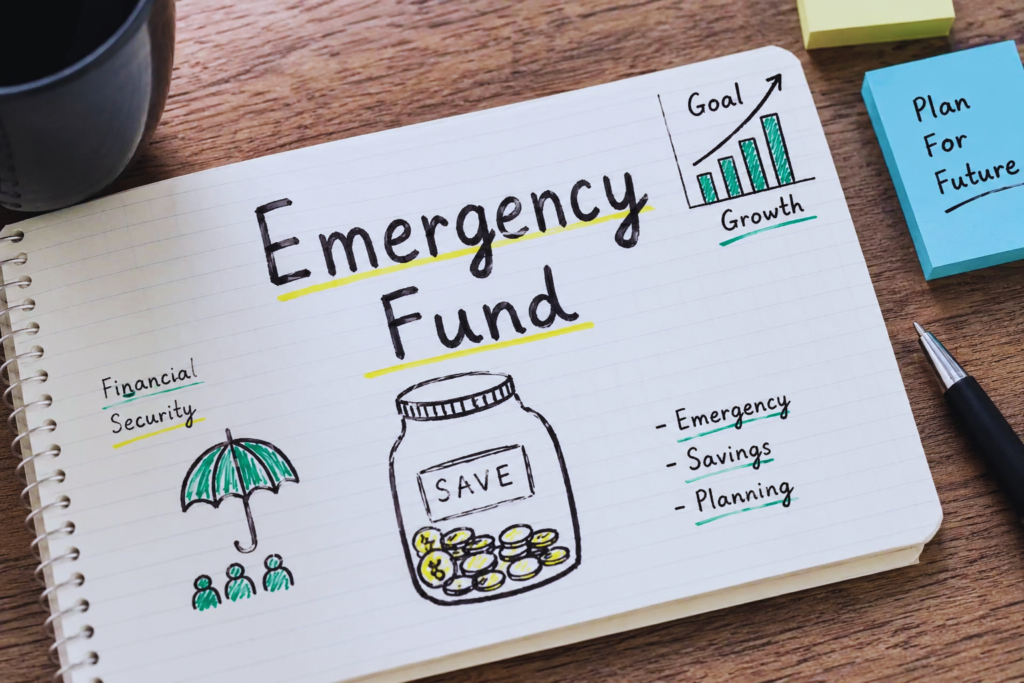
Compared to a few years ago, groceries, electricity and water bills, insurance, healthcare, and other household expenses have increased significantly. In such a situation, even a small emergency can derail the entire household budget.
That’s why emergency savings act as a financial cushion during difficult times and help manage unexpected expenses.
1. Uncertainty in the Job Market is Growing
Many industries are still growing, but the cycle of layoffs and company restructuring hasn’t completely ended. Job stability, especially in the technology and corporate sectors, is not what it used to be.
Even experienced and highly skilled professionals may sometimes face sudden job losses or career changes. At such times, an emergency fund can cover your essential expenses until you find a new opportunity.
2. Dealing with Unexpected Medical Emergencies
Medical emergencies can occur at any time. Healthcare costs are constantly rising in many countries around the world.
Even with insurance, many medical situations require people to pay substantially out of pocket. Having emergency savings can reduce the need to take out a credit card or personal loan during difficult times.
3. Beating the Rise of Financial Stress
Financial stress is also rapidly increasing. The biggest benefit of an emergency fund is not just money, but also mental peace.
Knowing you have money for any emergency situation significantly reduces stress. This confidence helps you make better financial decisions, even in difficult times.
How Much Money Should You Have in an Emergency Fund?
Financial experts generally recommend that you have at least 3 to 6 months of essential expenses in your emergency fund.
- Example:
- Monthly Expenses: $2,000
- Emergency Fund Goal: $6,000 to $12,000
But every person’s financial situation is different. You should have a slightly larger emergency fund if:
- You are self-employed
- Your income fluctuates monthly
- You have family responsibilities
- You work in an industry with high job uncertainty
Remember, the start doesn’t have to be perfect. Saving just $500 or $1,000 can make a big difference in your financial security.
Where Should an Emergency Fund Be Kept?
An emergency fund should always be in a place where money can be easily withdrawn and kept safe when needed. Many people prefer these options:
- High-Yield Savings Accounts (HYSA)
- Money Market Accounts
- Traditional Savings Accounts
- Cash Management Accounts
The most important thing here is not to chase high returns, but to prioritize liquidity and security. Your money should be immediately available in case of an emergency.
Common Mistakes People Make When Creating an Emergency Fund
Investing emergency savings in risky investments
Some people invest their emergency funds in stocks, cryptocurrency, or other high-risk investments. The problem is that market crashes often occur just when people need money the most. That’s why it’s best to keep emergency savings in a stable and easily accessible place.
Using the emergency fund for non-essential expenses
Emergency funds are not for vacations or shopping. If you spend it on non-essential purchases, you could face financial pressure when a real emergency arises.
Waiting for the “Perfect Time”
Many people don’t start saving because they think they need to accumulate a large sum first. In reality, starting small is much better than not starting at all. A little money saved each month can become a strong financial safety net over time.
How to Build an Emergency Fund Quickly
- Automate Savings: Set up automatic transfers from your salary or checking account to a dedicated savings account. This reduces the temptation to spend money.
- Cut Out One Unnecessary Expense: Even canceling one unnecessary subscription or reducing a non-essential expense can free up extra money for savings.
- Save Unexpected Income: Money from tax refunds, bonuses, gifts, or side income can be put directly into an emergency fund.
- Create Small Goals: Instead of envisioning one large goal, break it down into smaller milestones:
- The first $500
- The first $1,000
- One month’s expenses
- Three months’ expenses
- Six months’ expenses
Achieving small goals keeps motivation alive.
The Bottom Line
Economic uncertainty doesn’t seem to be ending anytime soon. Inflation, job market uncertainty, and rising living costs still pose challenges for millions of families.
Whether you’re just starting your financial journey or want to strengthen your money management strategy, creating an emergency fund could be one of the smartest financial decisions you can make in 2026. In today’s uncertain world, emergency savings provide not just money, but something that’s becoming more and more valuable—peace of mind.