

Inflation is slowly hitting your wallet. Every time you go to the grocery store, the bill is higher, but the cart looks emptier. It feels like your salary shrinks before it even hits your bank account.
Let’s look at how inflation is messing with your household budget and how you can handle it.
Your Kitchen is Getting Expensive Due to Inflation
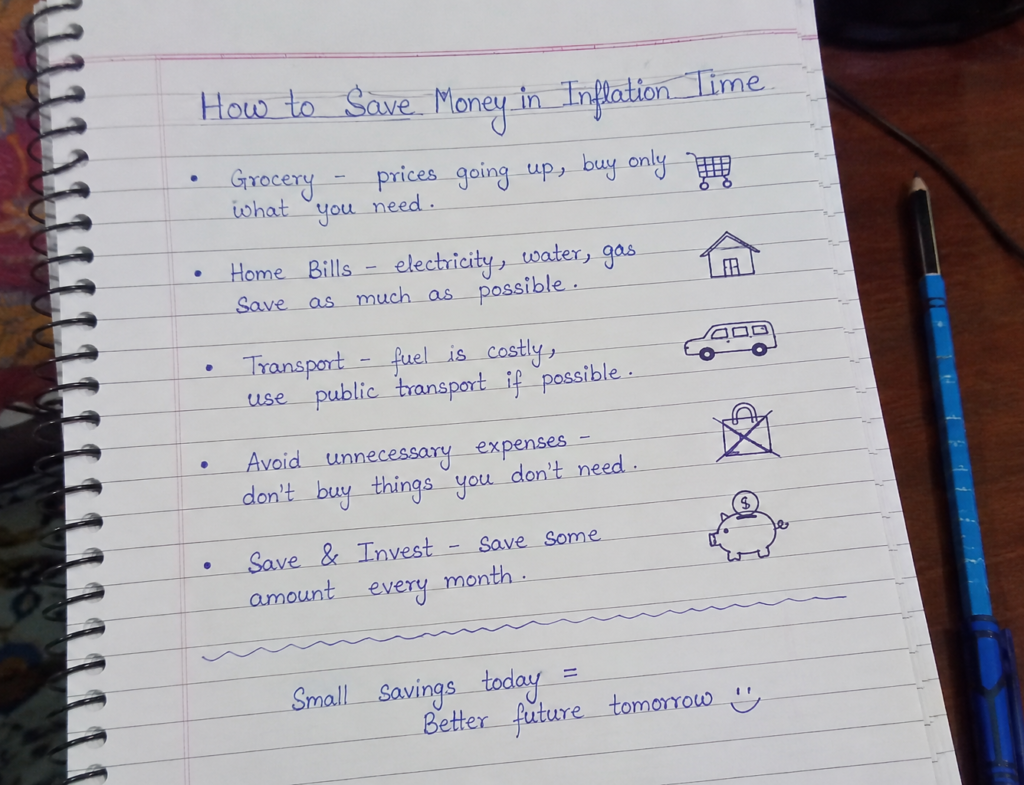
The first big shock happens when you buy food. Grocery prices are constantly going up, and it directly affects your daily life.
- Less food, same price: Companies are playing a trick. Prices stay the same, but the packet size gets smaller.
- Everyday items cost more: Basic things like eggs, milk, bread, and meat take up a huge chunk of your budget.
- Eating out is a luxury: Restaurants have become too expensive. That is why more people are choosing to cook at home.
Running a House Costs More
Home is where you should find peace, but maintaining it is getting very costly these days.
- Rent and home loans: Housing costs are rising everywhere. Finding an affordable place is getting tougher.
- Utility bills: Running the AC in summer and the heater in winter puts a lot of pressure on your savings.
- Insurance spikes: Car and home insurance companies have raised their rates quietly.
Even Commuting is Costly
Whether you go to the office or drop kids off at school, travel costs have spiked.
- Fuel pain: Petrol and diesel prices change every day, but they always stay high enough to hurt.
- Car repairs: Mechanics charge more for parts and labor now. Even a simple oil change hurts your pocket.
Smart Ways to Save Your Budget
You cannot control the economy, but you can control your own money. Here are some simple, practical tips to fix your budget today.
1. Check your bank statement
Take 10 minutes this weekend to look at your last 30 days of spending. You will find small, useless expenses that are draining your cash.
2. Kill unused subscriptions
Cancel streaming apps, gym memberships, or software that you haven’t used in the last month.
3. Try store brands
Supermarket brands are usually just as good as big name brands, but they cost 20% to 30% less. Give them a chance.
4. Plan your meals
Wasting food is like throwing cash in the trash. Make a weekly meal plan and buy only what you will actually eat.
5. Stick to cash or debit cards
Credit cards make overspending too easy when times are tight. Use money you already have in your account.
Final thoughts
If you’ve walked out of a grocery store lately wondering how you spent $100 on just a few bags of food, you’re definitely not alone.
Why Inflation Feels Worse Than the Numbers Suggest
One thing many people notice is that inflation often feels worse than what the headlines say. You might hear that inflation has slowed down, but your monthly expenses still seem higher than ever.
The reason is simple. Prices usually don’t go back down after they rise. Even if inflation starts slowing, you’re still paying more for groceries, gas, utilities, and everyday essentials than you were a few years ago.
Think about your weekly grocery trip. Maybe you used to fill an entire cart for $100. Today, that same amount of money might only cover the basics. The change doesn’t happen overnight, which is why many people don’t notice it at first. But after a few months, the difference becomes impossible to ignore.
The same thing happens with small everyday purchases. A coffee here, a takeout meal there, a streaming subscription you forgot about — none of them seem expensive on their own. But when prices rise across the board, those small costs add up much faster than most people expect